Delve Into the Domain of Fair Trade Tea: Remarkable Brews That Enable Sustainable Practices
Fair Trade tea showcases a perfect equilibrium of quality and ethics. Each cup grants a distinct taste composition while championing sustainable farming practices. This methodology not only elevates the tea pleasure but also supports marginalized farmers. Understanding its sources and validation frameworks discloses richer dimensions of meaning. As shoppers become more deliberate about their choices, the impact of Fair Trade tea extends beyond flavor. What exists below the surface of these determinations?
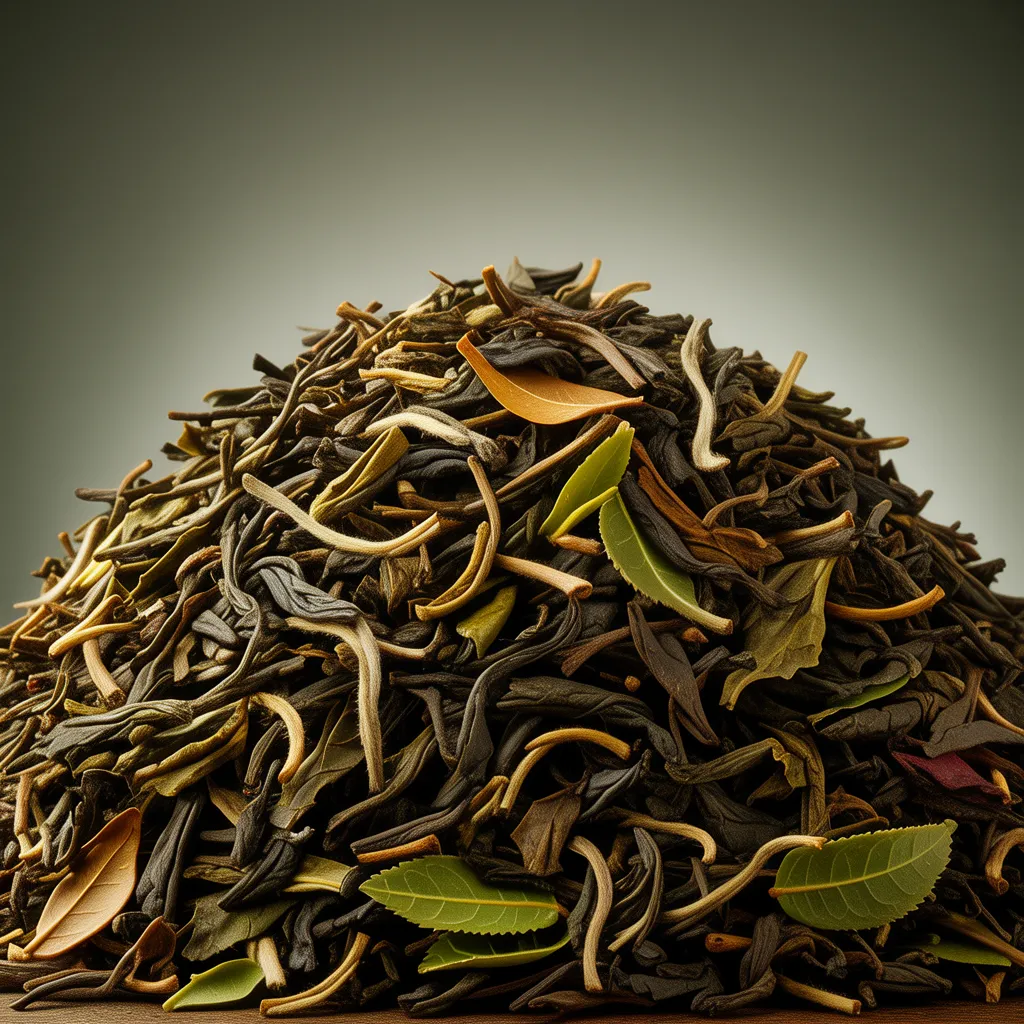
Learn the Foundations of Fair Trade Tea
Fair Trade tea derives from the social and economic drives focused on advancing the fortunes of marginalized farmers. Taking shape in the late 20th century, this initiative worked to tackle unfairness in global trade, especially in developing countries where tea is regularly cultivated. The campaign gained traction as consumers became more and more cognizant of the dire circumstances borne by small-scale farmers, including unfair pricing and mistreatment by multinational companies.
Through cooperative structures, Fair Trade intended to empower these farmers, guaranteeing they obtained fair compensation and support for sustainable farming practices. The movement also concentrated on advancing ecological stewardship, promoting organic farming and biodiversity. As knowledge increased, Fair Trade tea became a representation of ethical consumption, connecting consumers directly with the origins of their beverages. By selecting Fair Trade tea, individuals contribute to a larger vision of social justice and economic equity, fostering a more sustainable future for tea-growing communities.
Learn about ethical trade standards for sustainable practices
Grasping Fair Trade certification is fundamental to recognizing how sustainable practices are sustained within the tea industry. This certification pledges that producers receive fair wages and work under safe conditions, which directly helps community development. Fair Trade standards back environmentally sustainable farming methods, reducing the use of harmful chemicals and encouraging biodiversity.
Certification promotes openness in the distribution network, allowing customers to trace their tea back to its source. By adhering to these standards, farms undertake methods that safeguard natural resources and sustain local environments. Additionally, Fair Trade groups often offer learning materials and training to agricultural producers, empowering them to enhance their production methods and economic stability.
In the end, Fair Trade certification improves the caliber of tea while also aligning buyer preferences with responsible and green values, rendering it a vital component of the tea sector's commitment to community responsibility and ecological stewardship.
Explore Premium Varieties of Fair Trade Tea
While many tea experts treasure the rich flavors and aromas of assorted teas, uncovering the top varieties of Fair Trade tea reveals a more substantial pledge to moral sourcing and green practices. Some trendy options feature Fair Trade Assam, praised for its assertive, grain-like flavor, and Fair Trade Darjeeling, often referred to as the "Champagne of teas" for its delicate floral notes. Another standout variety is Fair Trade Earl Grey, steeped with bergamot, offering a distinctive lemon quality.
Additionally, Fair Trade Green Tea, celebrated for its stimulating qualities and health benefits, is increasingly favored among health-conscious consumers. Herbal blends, such as Fair Trade Chamomile and Peppermint, also excel, offering soothing and calming effects. Each of these varieties not only delivers exceptional flavor but also benefits farmers and communities working for better livelihoods, making them a responsible choice for tea lovers seeking quality and ethical assurance.
Brewing Fair Trade Tea: Recommendations for a Flawless Cup
To prepare the ultimate cup of Fair Trade tea, precision is crucial, since the right methods can boost the tea's distinctive notes and aromas. Initially, water quality is of utmost importance; using spring water ensures a pure flavor that lets the tea's features be highlighted. The water temperature is also important; different varieties of tea call for particular heat levels; boiling water is used for black tea and a cooler temperature suits green and herbal tea.
Subsequently, the brewing duration must be strictly observed. Oversteeping can result in bitterness, while insufficient steeping may not draw out the full flavor profile. A standard recommendation is 3-5 minutes detailed article for black tea and 2-3 minutes for green tea.
Ultimately, using the right tea-to-water ratio boosts the taste; one teaspoon of loose tea per cup is a good starting point. By following these recommendations, tea aficionados can completely savor the rich offerings of Fair Trade tea.
Environmental Benefits of Ethically Sourced Tea
Brewing Fair Trade tea not only enhances the tea experience but also promotes eco-friendly farming methods that benefit the environment. Fair Trade certification motivates farmers to use organic farming methods, which reduce the dependence on damaging chemicals and synthetic inputs. This method fosters biodiversity, helping to preserve local habitats and safeguard animal sanctuaries.
Additionally, Fair Trade practices often emphasize soil health and water preservation, ensuring that tea cultivation does not deplete essential resources. By backing small-scale farmers, Fair Trade also promotes agroforestry, which combines tea cultivation with other crops and trees, further enhancing environmental resilience.
In addition, Fair Trade tea frequently includes environmentally responsible packaging and delivery systems, minimizing the carbon footprint tied to its delivery. All in all, selecting Fair Trade tea demonstrates a deliberate commitment to advance a more sustainable agricultural system that respects both the planet and its people.

The Way Your Tea Selection Boosts Communities Worldwide
Investing in Fair Trade tea strengthens worldwide populations by providing agricultural workers with equitable compensation and enhanced labor situations. This commitment warrants that tea producers can maintain their livelihoods while supporting their families and community markets. By acquiring Fair Trade tea, end consumers promote the expansion of significant local services, including learning opportunities and health support.
Fair Trade certification promotes ethical practices, requiring companies to follow guidelines that emphasize workers' rights and ecological responsibility. As a result, farmers are incentivized to cultivate high-quality tea, which not only enhances their income but also fosters pride in their work.
Additionally, the direct trade relationships formed through Fair Trade eradicate exploitative middlemen, allowing farmers to engage with buyers worldwide. This clarity nurtures trust and encourages a global appreciation for the cultural relevance of tea. Ultimately, each cup of Fair Trade tea serves as a testament of the constructive influence individuals can have on international societies through deliberate shopping.
Frequently Common Questions
What Methods Can Help Me Find Fair Trade Tea Products When Shopping?
To discover sustainably produced tea options in stores, one should look for verified badges, such as Fair Trade Certified or Rainforest Alliance. Additionally, researching companies committed to ethical sourcing can enable making informed choices.
What Health Benefits Are Linked to Fair Trade Tea?
Fair trade tea may deliver various wellness benefits, featuring antioxidants that support heart health, optimized digestion, and sharper mental clarity. Also, sustainable sourcing practices facilitate green agriculture, ultimately promoting a healthier ecosystem and improved societal well-being.
How Can I Find Ethically Sourced Tea in Digital Shopping Platforms?
Yes, fair trade tea is commonly found in online marketplaces. Various companies offer a extensive array of selections, ensuring shoppers can easily access ethically sourced options that champion both sustainability and fair labor practices.
In What Ways Does Fair Trade Tea Impact Local Economies?
Fair trade tea beneficially affects local economies by offering farmers equitable compensation, fostering community development, and encouraging sustainable farming practices. This assistance improves living standards, strengthens financial security, and enables communities to allocate resources toward education and healthcare.
How Do I Keep Fair Trade Tea for Superior Freshness?
To enhance quality, fair trade tea should be placed in an sealed jar, away from light, humidity, and pungent smells. Maintaining it in a cool, dark place helps protect its taste and scent over time.